
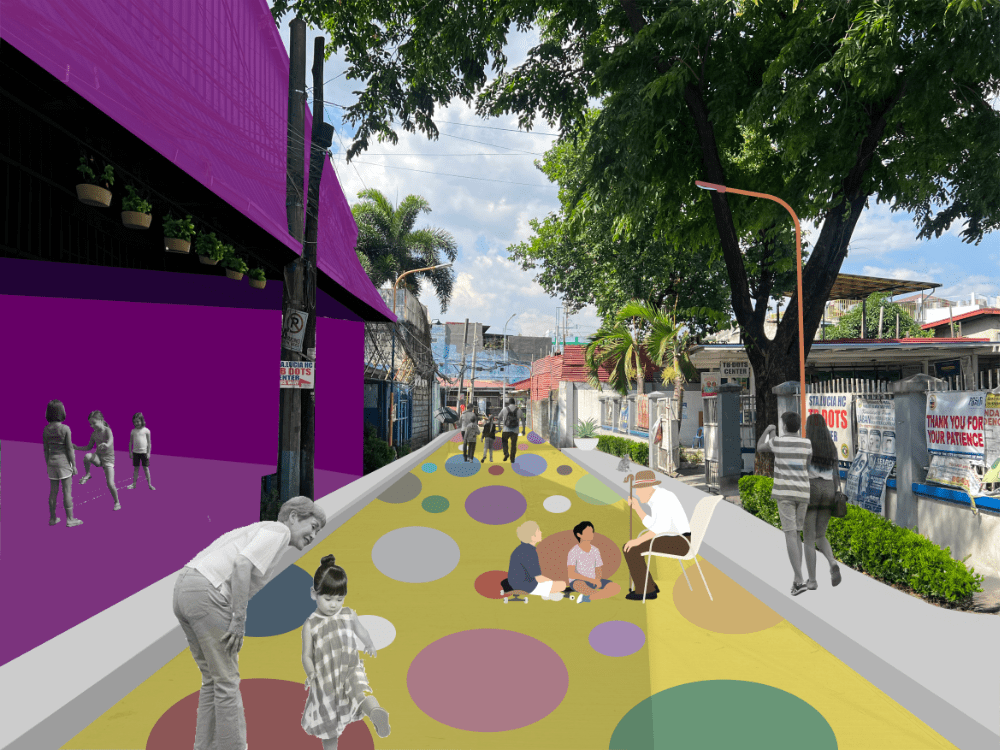
What is Placemaking?
Placemaking refers to the process of designing and developing public spaces in a way that promotes community engagement, social interaction, and a sense of place. It involves the creation of welcoming and inclusive public spaces that encourage people to gather, socialize, and participate in community life.
Placemaking can involve a range of activities, such as designing and building public spaces, organizing events and activities that bring people together, and involving local communities in the planning and development process. The goal is to create vibrant, livable, and sustainable communities that reflect the unique character of the people who live there.
Placemaking can take many forms, from small-scale projects like community gardens or public art installations to large-scale urban redevelopment projects. The key is to involve the community in the planning and development process, and to create spaces that are designed to meet the needs and aspirations of the people who will use them.
Difference between Urban Design and Placemaking
Urban design and placemaking are related concepts that both involve the planning and development of public spaces within cities and communities. While they share some common goals, there are distinct differences between the two:
Urban Design:
Urban design refers to the process of shaping the physical layout and organization of urban areas, including cities, towns, and neighborhoods. It is a broad and multidisciplinary field that takes into account various elements such as architecture, land use, transportation, infrastructure, public spaces, and aesthetics. The primary objective of urban design is to create functional, attractive, and sustainable urban environments that cater to the needs of the people living and working in these areas.
Key aspects of urban design include:
- City Planning: Urban designers work on the overall layout of cities, considering factors like zoning, transportation networks, and public services.
- Built Environment: They focus on the design of buildings, streets, and public spaces to ensure they blend well with the surrounding context and contribute positively to the urban fabric.
- Infrastructure: Urban designers consider the development of essential infrastructure, including utilities, roads, and public facilities, to support the urban population.
- Aesthetics: They are concerned with the visual appeal of the cityscape and how it contributes to the overall character and identity of the place.
Placemaking:
Placemaking, on the other hand, is a more specific and participatory approach to urban design. It involves the collaborative and community-driven process of transforming public spaces into vibrant, people-centered areas. The focus is on creating places that are inclusive, functional, and reflect the local culture and identity of the community.
Key aspects of placemaking include:
- Community Engagement: Placemaking prioritizes involving the local community in the planning and design process, seeking their input and understanding their needs and aspirations.
- Activation of Spaces: It emphasizes making public spaces more interactive and lively by organizing events, activities, and programming to encourage public use and engagement.
- Temporary Interventions: Placemaking often involves temporary or pilot projects to test and experiment with design ideas before making permanent changes to the urban environment.
- Sense of Place: The goal is to create places that have a unique sense of identity and character, distinguishing them from generic or homogenous spaces.
In essence, urban design provides the overall framework and guidelines for shaping cities and neighborhoods, while placemaking is a specific approach within urban design that focuses on community involvement and the creation of vibrant, people-centric public spaces. Placemaking can be seen as a more hands-on, community-driven subset of urban design. Both play essential roles in creating livable and enjoyable urban environments.
How can Placemaking influence Urban Design?
Placemaking can have a significant influence on urban design in several ways:
- Focus on people: Placemaking prioritizes the needs and desires of people who will use the public spaces. This focus on people can lead to urban design that is more user-friendly, attractive, and comfortable.
- Community involvement: Placemaking encourages community involvement in the planning and design process, which can lead to more inclusive and diverse public spaces that reflect the needs and desires of the local community.
- Creativity and innovation: Placemaking often involves creative and innovative approaches to urban design, such as incorporating public art, green spaces, and other amenities that make public spaces more attractive and functional.
- Sustainability: Placemaking can promote sustainable urban design by encouraging the use of environmentally friendly materials, promoting walkability and bikeability, and integrating public transportation into public spaces.
- Economic development: Placemaking can also promote economic development by creating vibrant and attractive public spaces that encourage people to spend time and money in the local community.
Overall, placemaking can help urban designers create more vibrant, inclusive, and sustainable public spaces that promote community engagement and social interaction.
 Studio Terrano
Leave a comment